
Russia Builds a Culture of Giving: Voluntary Blood Donation in the Spotlight
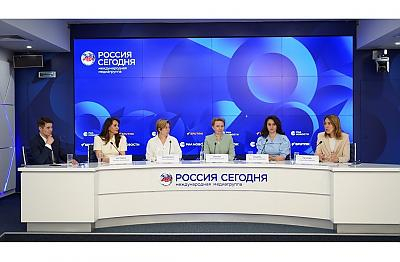
The press conference, titled “Thank You, Donor!”, was dedicated to World Blood Donor Day, which is observed on June 14. The event brought together key participants in the donor movement to discuss important aspects and the future of donation in Russia.
The event showcased successful practices and initiatives promoting donation, including the nationwide #JoinUp marathon, business-led and corporate donor programs, student awareness weeks, and various annual themed campaigns that are already changing how Russians view donation.
Special attention was paid to encouraging donation among young people.
Olga Eikhler, Head of the Blood Service and Emergency Medicine Department at the FMBA of Russia, addressed the importance of a comprehensive and collaborative approach to promoting donation as a socially significant civic initiative:
“We are deeply grateful to all our partners for this joint effort in the name of a great and humane goal, saving human lives. It is this kind of partnership that allows us to discover new, modern formats for promoting donation, to speak to young people in a language they understand, and to inspire participation. In Russia, 1.5 million people donate blood annually. Of these, 25% are between the ages of 18 and 35. Engaging young, healthy, active, and patriotic donors is the main goal of the Blood Service.”
Continuing the topic of cooperation between different social institutions, Olga Eikhler concluded:
“In closing my speech on the eve of World Blood Donor Day, I want to emphasize that donation is not a one-time act of kindness, it is a culture. A culture of mutual aid, compassion, and civic solidarity. Thanks to the millions of Russians who make this conscious, voluntary, and altruistic choice, together we save hundreds of thousands of lives each year. Thank you, donors!”
Deputy Minister of Science and Higher Education of the Russian Federation, Olga Petrova, echoed this sentiment:
“Many thanks to all our partners for their support and collaboration in the name of saving human lives. Our joint efforts enable us to find new, modern formats for promoting donation, to communicate with young people in a relatable way, and to inspire them to participate in donor campaigns. Every year, 1.5 million donors give blood in Russia, with 25% of them aged 18 to 35. Attracting young, healthy, active, and patriotic donors is a key task of the Blood Service.”
Continuing the discussion on a systematic approach to developing donation, Elena Zakharkina, Deputy Director of the Federal Bailiff Service and Deputy Chief Bailiff of the Russian Federation, spoke about the unique experience within the agency:
“A special culture of donation has developed within the Federal Bailiff Service, every third employee is an active donor. This is the result of targeted efforts to create a motivational system and to cultivate an understanding of the social significance of donation among our colleagues.”
Natalia Kostenko, Head of the Medical Services Department at the Central Directorate of Healthcare - a branch of Russian Railways (RZD), shared insights on corporate donor practices:
“Russian Railways, leveraging its extensive nationwide network, implements special projects to promote healthy lifestyles and donation. Our employees, from Kaliningrad to Vladivostok, regularly take part in donor campaigns.”
Victoria Rashina, a representative of the “Leaders-Donors” community and a finalist of Leaders of Russia: Politics, emphasized the power of personal example:
“When leaders personally demonstrate their commitment to the values of donation, it has a powerful impact on the entire team. This is how a new management culture is formed, where social responsibility becomes an integral part of professional activity.”
The open-dialogue format of the event clearly showed that only through joint efforts can a sustainable system be created, where helping others becomes a natural part of societal life.
World Blood Donor Day is celebrated on June 14. In 2025, the focus is on the significance of donation as an expression of solidarity. Russian initiatives reflect this message, demonstrating how cooperation and a systemic approach can help save lives.
Most people know very little about donation and therefore trust the most unreasonable myths...
Donor movement covers all who care about the fate of others, those who...